
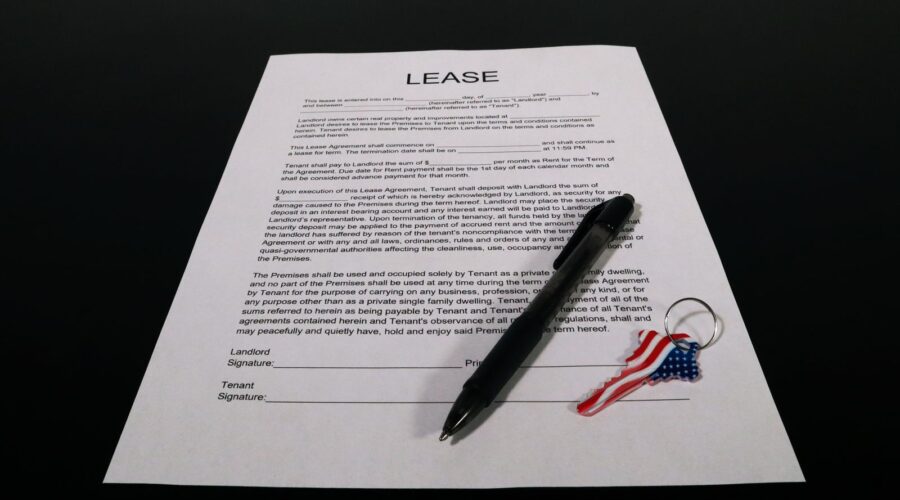
Landlord vs Tenant: Know Your Rights Before You Sign a Lease
Every lease is really two sets of promises stitched together: what the landlord agrees to provide, and what the tenant agrees to uphold. Yet most renters and even many first-time landlords sign that document without fully understanding where their rights begin and end. This comparison breaks down exactly what each side is entitled to, and where the two roles most often collide, so you can walk into a lease negotiation as an informed participant rather than a passive signer.
The Landlord’s Core Rights
Landlords own the property, and the law generally protects their ability to run it as a business. Their core rights typically include collecting rent on time, screening tenants through credit and background checks, setting reasonable rules within the lease (such as no-smoking or pet policies), entering the unit with proper notice for repairs or inspections, and pursuing eviction through the legal process if a tenant violates the lease terms.
Landlords are also entitled to collect a security deposit (though the amount is often capped by state or city law) and to deduct legitimate damage costs from that deposit at move-out, provided they can document the damage.
The Tenant’s Core Rights
Tenants are entitled to a habitable living space, meaning working plumbing, heat, electricity, and structural safety. They have the right to privacy, which means landlords generally cannot enter without advance notice except in genuine emergencies. Tenants are also protected from retaliatory eviction (being kicked out because they filed a complaint) and from discrimination based on protected characteristics such as race, religion, family status, or disability under fair housing laws.
Perhaps most importantly, tenants have the right to receive their full security deposit back, minus documented damages, within a legally defined timeframe after move-out, which varies by state but is often between two and four weeks.
Where Landlord and Tenant Rights Collide
| Issue | Landlord’s Position | Tenant’s Position |
|---|---|---|
| Repairs | Wants to schedule repairs efficiently and control costs | Wants urgent issues (heat, water, safety) fixed quickly regardless of cost |
| Entry Notice | Wants flexibility to show the unit or inspect it | Wants advance written notice and reasonable hours |
| Security Deposit | Wants to deduct for any damage or excessive wear | Wants deductions limited to damage beyond normal wear and tear |
| Lease Renewal | May want to raise rent to match market rate | Wants predictable, affordable renewal terms |
| Subletting | Wants control over who lives in their property | Wants flexibility if their circumstances change |
Red Flags Tenants Should Watch For Before Signing
- A lease that waives the landlord’s responsibility for habitability or repairs entirely
- No mention of the security deposit timeline or conditions for deductions
- Vague or unlimited rights for the landlord to enter the unit
- Clauses that penalize tenants for contacting code enforcement or withholding rent for serious repair issues
- Automatic renewal clauses with steep rent increases buried in the fine print
Red Flags Landlords Should Watch For Before Signing
- Applicants who refuse standard background or credit checks
- Inconsistent employment history without a co-signer or guarantor
- Requests to pay in unconventional ways (cash only, wire transfer to a third party) that make records difficult to track
- Pushback on a walkthrough inspection before move-in
How Both Sides Can Protect Themselves
The single most effective tool for both landlords and tenants is documentation. A detailed move-in condition report with photos protects tenants from unfair deposit deductions and protects landlords from false damage claims. Written communication, rather than verbal agreements, ensures that repair requests, rent extensions, or rule changes can be referenced later if a dispute arises. Both parties should also familiarize themselves with their specific state and local landlord-tenant statutes, since rights and obligations vary significantly by jurisdiction, some cities have far more tenant protections than others, and it is a mistake to assume rules are uniform nationwide.
Final Thoughts
A lease works best when both sides understand it’s a two-way agreement, not a one-sided contract. Landlords who treat tenants fairly tend to retain them longer, reducing turnover costs, while tenants who understand their obligations tend to build the kind of rental history that makes future applications easier. Read every clause, ask questions before you sign, and keep records throughout the tenancy. That’s the real foundation of a rights-based, low-conflict rental relationship.
Related reading: You might also find it helpful to check out apartment renting guide, spotting rental scams, and renting property online best practices.