The Ultimate Guide to Renting Your First Apartment in NYC
Moving into your first apartment in New York City is a milestone that feels equal parts thrilling and terrifying. Between sky-high demand, confusing lease jargon, and a rental market that moves faster than the subway at rush hour, first-time renters can easily feel outmatched. This guide breaks the entire process into manageable stages, from figuring out your real budget to finally getting the keys in hand, so you can walk into your first lease signing with confidence instead of anxiety.
Step 1: Figure Out What You Can Actually Afford
The golden rule most New Yorkers repeat is that rent shouldn’t exceed 30% of your gross income, but in a city where the average one-bedroom can rival a mortgage payment elsewhere, that rule often gets bent. A more realistic approach is to build a full monthly budget first: rent, utilities, renters insurance, transit costs, groceries, and a cushion for the unexpected. Many landlords also require your annual salary to be 40 times the monthly rent, so knowing this threshold early can save you from falling in love with an apartment you won’t qualify for.
Don’t forget the upfront costs. Beyond the first month’s rent, you may need a security deposit (capped at one month’s rent by New York law), a broker’s fee if you use an agent, and application fees. Some buildings also request last month’s rent in advance. Add it all up before you start touring apartments so there are no surprises.
Step 2: Choose Your Neighborhood Strategically
Rent varies enormously by borough and even block to block. Manhattan below 96th Street commands premium prices, while neighborhoods in Queens, the Bronx, and parts of Brooklyn offer significantly more space for the same budget. Instead of picking a neighborhood purely on reputation, map out your daily commute, check crime statistics through public city data, and visit at different times of day. A block that feels lively at noon might feel completely different at 11pm.
Local classifieds and community marketplaces are often better at surfacing owner-listed apartments without broker fees than big national listing sites, so it’s worth checking multiple sources rather than relying on a single app.
Step 3: Understand Broker Fees and When You Can Avoid Them
Broker fees in NYC can range from one month’s rent to 15% of the annual rent, and they are one of the biggest shocks for newcomers. If you want to minimize costs, search specifically for “no-fee” listings, or look for buildings that list directly through property management companies. Following recent changes to how broker fees are billed in New York City, it’s worth double-checking current regulations before you sign anything, since rules around who pays the broker have shifted and vary depending on who hired the broker.
Step 4: Gather Your Documents Before You Start Touring
Competitive apartments can receive multiple applications within hours of listing. Having your paperwork ready in advance is the single best way to beat other applicants to a lease. Typically you’ll need:
- Photo ID (driver’s license or passport)
- Proof of income (recent pay stubs, an offer letter, or two years of tax returns if self-employed)
- Bank statements showing sufficient reserves
- A completed rental application (many landlords use a standard form)
- Contact information for a guarantor, if required
- Previous landlord references, if available
If you’re new to the workforce or don’t meet the income requirement, you’ll likely need a guarantor who earns significantly more than the standard threshold, or you can use a lease-guarantor insurance service that charges a fee in place of a personal guarantor.
Step 5: Read the Lease Line by Line
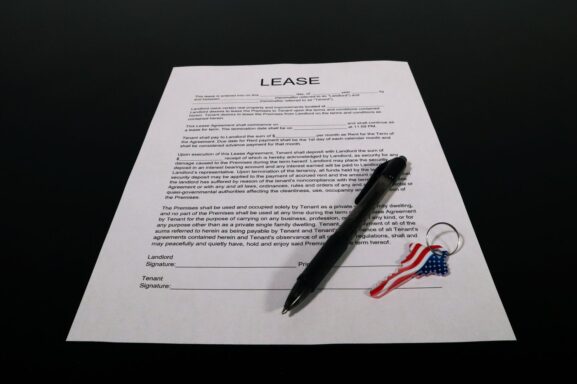
It’s tempting to skim a 10-page lease and sign on the dotted line, but a few clauses deserve special attention: the sublease and guest policy, who is responsible for repairs, rules around pets, the process for renewing or breaking the lease early, and any additional fees hidden in the fine print. If anything is unclear, ask the landlord or management company to clarify it in writing before you sign. Verbal promises rarely hold up if a dispute arises later.
Step 6: Document the Apartment’s Condition Immediately
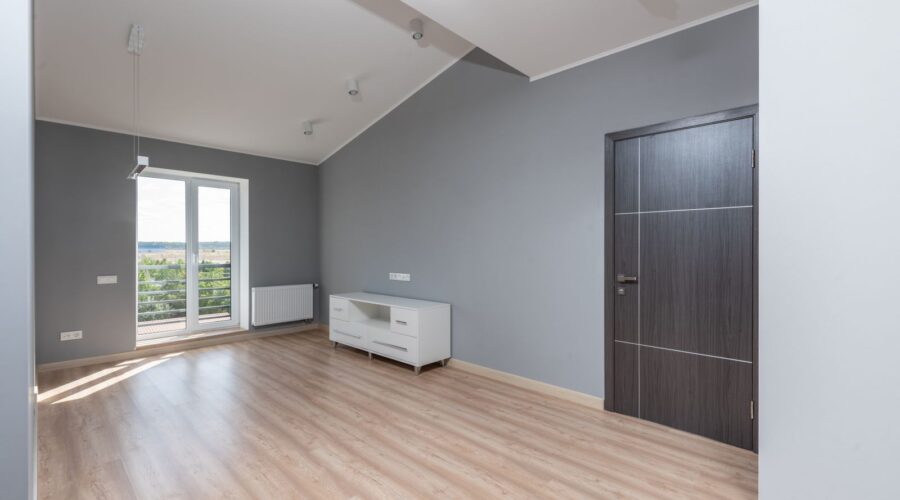
On move-in day, take timestamped photos and videos of every room, including existing scuffs, scratches, or appliance issues. This protects your security deposit when you eventually move out, since landlords can only deduct for damage beyond normal wear and tear. Email these photos to your landlord or management company so there’s a documented record with a timestamp that isn’t just sitting on your phone.
Step 7: Set Up Renters Insurance
Many first-time renters skip this step, assuming their belongings aren’t valuable enough to insure. However, renters insurance is typically inexpensive, often less than $20 a month, and covers theft, fire damage, and liability if a guest is injured in your apartment. Many buildings now require proof of renters insurance as a condition of the lease, so it’s worth arranging before move-in day rather than scrambling afterward.
Common First-Time Renter Mistakes to Avoid
- Skipping the in-person visit. Photos can be deceiving. Always view the unit in person or through a live video call with someone you trust.
- Ignoring noise levels. Visit at night to check street noise, nearby bars, or subway vibration.
- Not asking about heat and hot water. In older buildings, these can be inconsistent, especially in winter.
- Forgetting to check the building’s reputation. A quick search of the address can reveal ongoing violations or complaints filed with the city.
- Rushing the decision out of fear of missing out. There will always be another apartment. Never sign a lease under pressure without reading it fully.
Final Thoughts
Renting your first apartment in New York City is a process that rewards preparation. The renters who move fastest and land the best deals are the ones who show up with their documents ready, a clear budget, and a realistic sense of what neighborhoods fit their lifestyle. Take your time to compare listings across multiple platforms, ask questions before signing anything, and document everything from day one. With the right approach, your first NYC lease can be the start of a genuinely great living situation rather than a stressful scramble.
Related reading: You might also find it helpful to check out our guide to renting property online, know your rights as a tenant, and how to spot a rental scam.