
Renting Property Online: Best Practices
Searching for or listing a rental online has become the norm, but it introduces risks that don’t exist in traditional rental processes. This guide covers best practices for both tenants and landlords.
Why Online Rentals Require Extra Caution
Rental scams are among the most financially damaging classifieds fraud because they often involve large upfront payments.
Best Practices for Tenants
Verify listings against public property records, insist on in-person or live video tours, and never send a deposit before signing a lease.
Best Practices for Landlords
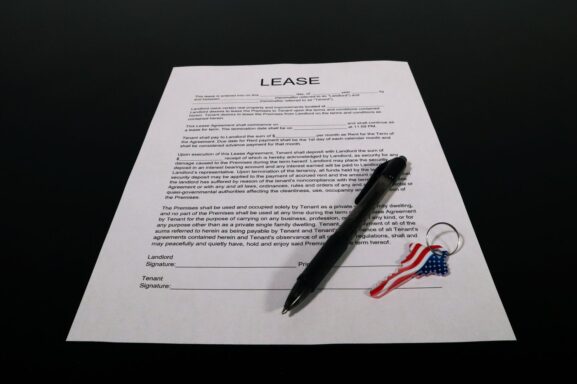
Use standardized applications, run background checks where permitted, and use written lease agreements.
Verifying a Rental Listing Is Legitimate
Be cautious of below-market pricing and landlords who are unavailable to meet in person or via video.
Tenant vs. Landlord Responsibilities Comparison
| Responsibility | Tenant | Landlord |
|---|---|---|
| Verify legitimacy | Yes | N/A |
| Screen other party | Limited | Full background check |
Common Rental Scams to Watch For
Listings copied from real estate sites, wire transfer deposit requests, and unavailable landlords.
Common Mistakes to Avoid
Sending deposits before verifying legitimacy, and skipping formal tenant screening.
Expert Recommendations
Verify property ownership through public records before paying, and use consistent screening criteria for every applicant.
Key Takeaways
- Never send payment before verifying a listing.
- Use consistent screening criteria.
- Cross-check addresses against public records.
FAQs
How can I tell if a rental listing is a scam?
Check for below-market pricing and unavailable landlords.
Should I pay a deposit before seeing a property?
No, verify legitimacy first.
What should a landlord include in screening?
A standardized application and consistent criteria.
Conclusion
Verifying legitimacy and documenting agreements in writing helps both tenants and landlords avoid common pitfalls. Browse or list rentals on P6D.net.
Related reading: You might also find it helpful to check out our ultimate guide to renting your first apartment in NYC and landlord vs tenant rights before you sign a lease.