Hiring a Snow Removal Service: Typical Costs, Contracts and Red Flags to Watch For
When the first big storm hits, a reliable snow removal service is worth its weight in salt. A cleared driveway gets you to work on time, keeps walkways safe for family and visitors, and protects you from slip-and-fall liability. But snow removal is also one of the easiest local services to overpay for, and every winter brings complaints about no-show plow drivers, surprise charges and contractors who disappear after taking a deposit.
This guide breaks down what snow removal typically costs in 2026, how per-visit and seasonal contracts compare, what a good contract should include, and the red flags that tell you to keep looking.
How Much Does Snow Removal Cost in 2026?
Prices depend on your region, driveway size, how much snow falls, and whether you pay per visit or for the whole season. According to Angi’s 2026 cost data, professional snow removal ranges from about $51 to $203 per visit, while seasonal contracts usually cost $300 to $700 for a typical home. Here’s a general guide by driveway size:
| Driveway size | Typical cost per visit | Typical seasonal cost |
|---|---|---|
| Small (single-car) | $40–$75 | $300–$400 |
| Medium (two-car) | $75–$125 | $400–$600 |
| Large (four-car) | $125–$250 | $600–$1,000 |
Source: Angi 2026 estimates. Prices in your area may be higher or lower.
Extras usually cost more. Walkway and step shoveling, salting or de-icing, clearing around mailboxes, roof snow removal and ice dam removal are often billed separately, and roof work can cost hundreds of dollars on its own. Always ask which of these are included in the quoted price.
What Affects the Price?
- Driveway size and layout. Long, sloped, gravel or curved driveways take more time and care.
- Snow depth. Many contracts include a set amount of snow per visit (for example, up to 6 inches) and charge extra for heavier storms.
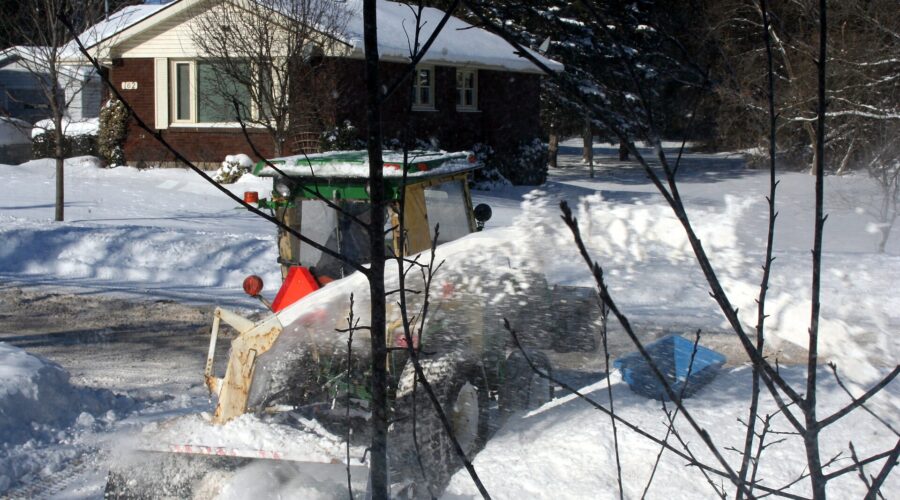
- Removal method. Truck plowing is fastest for large driveways, while snow blowers and hand shoveling are used for walkways and tight spaces.
- Response time. Guaranteed early-morning clearing or priority service during storms usually costs more.
- Your location. Busy city areas and regions with heavy, frequent snow tend to have higher rates.
Per-Visit vs. Seasonal Contracts: Which Is Better?
Per-visit (or per-push) pricing
You pay each time the crew comes out. This works well if you live somewhere with only a few storms a year, or you only need help occasionally. The downside: during big storms, per-visit customers are often served after contract customers, and per-visit rates are higher.
Seasonal contracts
You pay a fixed price for the whole winter, often split into monthly payments. Seasonal customers usually get priority service and a predictable budget. In a mild winter you may pay for visits you never needed, but in a heavy winter a seasonal plan can save a lot. Some companies also offer a per-event model, where one storm counts as one charge no matter how many times the crew returns.
Simple rule: if your area regularly gets more than 6–8 significant snowfalls a winter, a seasonal contract is usually the better deal. If storms are rare, pay per visit.
What a Good Snow Removal Contract Should Include
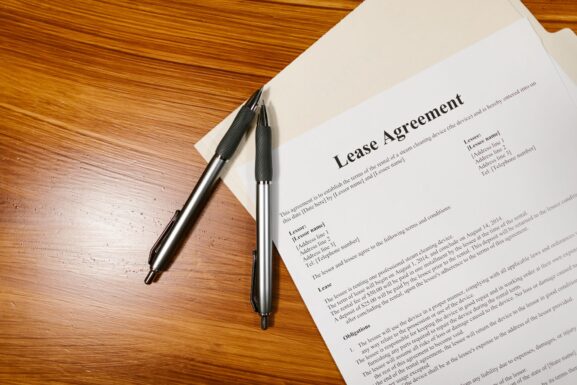
Never rely on a verbal agreement. A clear written contract protects you if a storm hits and the crew doesn’t show up. Make sure yours spells out:
- Exact areas covered: driveway, walkways, steps, sidewalk, parking pad and mailbox access.
- Trigger depth: how many inches of snow before the crew comes out (often 1–3 inches).
- Response time: how soon after the snow stops (or during a storm) they will clear your property.
- Snow depth limits: what happens, and what it costs, when a storm goes over the included amount.
- Salting and de-icing: whether it’s included, and which product they use (some salts can damage concrete, plants or pets’ paws).
- Contract dates: the start and end of the season, and whether late-spring storms are covered.
- Payment terms: total price, payment schedule and any deposit amount.
- Damage policy: who pays if the plow damages your lawn, curbs, driveway edges or landscaping.
- Cancellation terms: how you can end the agreement if the service is poor.
Tip: Put reflective stakes along the edges of your driveway before the first snowfall. They help the plow driver avoid your lawn and garden, and help you show where any damage happened.
Check Insurance and Credentials
A plow truck can crack driveways, knock over mailboxes or damage cars. And if an uninsured worker gets hurt on your property, you could face the bill. Before hiring:
- Ask for proof of general liability insurance and, if they have employees, workers’ compensation.
- Check whether your city or state requires a business license for snow removal or landscaping work.
- Look up the company on the Better Business Bureau and read recent local reviews.
- Ask neighbors who they use. A company that already clears your street may offer a lower price and faster service.
Red Flags to Watch For
Snow season is a busy time for scammers and unreliable operators. Be cautious if you see any of these:
- Large upfront payment in cash. Paying for the whole season in cash before the first snowfall leaves you with no protection if they vanish.
- Door-to-door “storm deals.” Someone who shows up during a storm offering a cheap price, then demands more once the work is done.
- No written contract. If a company won’t put the price and terms in writing, walk away.
- No proof of insurance. A legitimate company should be able to share it quickly.
- Prices far below everyone else. Very cheap quotes often mean an overbooked operator who won’t show up during big storms.
- No business address or reviews. Be careful with operators who only have a phone number and no online presence.
- Pressure to sign today. “Only two spots left” tactics are a common way to rush customers into bad deals.
The Federal Trade Commission also has helpful advice on hiring contractors and avoiding home service scams. For more warning signs, see our guide to holiday marketplace scams.
Renters: Who Is Responsible for Snow Removal?
If you rent, check your lease before hiring anyone. In many apartment buildings and multi-unit homes, the landlord or property manager handles snow removal for shared driveways, parking lots and walkways. In single-family rentals, the lease may make the tenant responsible. Local rules on sidewalk clearing vary too, so check your city’s website for any clearing deadline after a snowfall. Our first-time renter’s guide lists other questions to ask before signing a lease.
Questions to Ask Before You Hire
- How many years have you been doing snow removal in this area?
- How many properties are on your route, and where am I on it?
- What equipment do you use, and do you have a backup if a truck breaks down?
- What happens during a long storm that lasts overnight?
- Are salting and walkway clearing included?
- Can I see your insurance certificate and a sample contract?
Final Thoughts
The best time to book snow removal is before the first storm, when companies still have open spots and you have time to compare quotes. Get at least two or three written estimates, choose the pricing model that fits your local winters, and make sure the contract covers exactly what you need. A little planning now means a clear driveway and fewer headaches all winter.
Just moved to a snowy area? Our guide to finding trusted local services in a new city can help. Getting your home ready for the cold? Check our list of local services to book before the first freeze, or browse trusted local service listings on P6D.net to find help near you.