
Moving to a New City? How to Find Trusted Local Services in Your First 30 Days
Moving to a new city is exciting, but it also means starting from zero. The plumber you trusted, the mechanic who never overcharged you and the barber who knew exactly how you like it are all back in your old town. In your new one, every service is a stranger, and the first weeks are when you are most likely to overpay, get rushed into a bad deal or wait days for help in an emergency.
The good news is that you can build a reliable local network fast if you do it in the right order. This guide walks you through your first 30 days: what to set up right away, which providers to find before you need them, how to check that someone is trustworthy, and the red flags that should make you walk away.
Week 1: The Essentials You Can’t Live Without
Your first week is about keeping the house running and making it secure. Book these services as soon as you have your keys, or even before you arrive.
- Utilities and internet. Confirm electricity, gas, water and trash pickup are in your name from move-in day. Internet installation often has the longest wait, so schedule it one to two weeks before you arrive if you can.
- A locksmith to rekey the locks. You have no idea how many keys to your new home are floating around from previous owners, tenants, contractors or agents. Rekeying is usually much cheaper than replacing locks. Renters should ask the landlord first, since many leases require permission.
- Check smoke and carbon monoxide detectors. Test every alarm and replace batteries. If something is missing or broken, a handyman can usually fix it in a single visit.
- Find the shutoffs. Locate your main water valve and electrical panel now, not in the middle of a leak.
Weeks 1–2: Find Key Providers Before You Need Them
The worst time to search for a doctor, vet or mechanic is when you urgently need one. Spend an hour or two in your first two weeks lining up the people you will rely on, so an emergency doesn’t force you to pick whoever answers the phone first.
Health and Family
- Primary care doctor and dentist. Check which practices are in your insurance network and whether they are accepting new patients. New-patient appointments can take weeks, so book early.
- Nearest urgent care and pharmacy. Save the addresses and hours in your phone.
- Childcare and pet care. Daycares, babysitters, dog walkers and boarding facilities often have waitlists, especially in busy neighborhoods.
- A veterinarian. Ask for your pet’s records to be sent over and note the closest 24-hour emergency animal hospital.
Home and Car
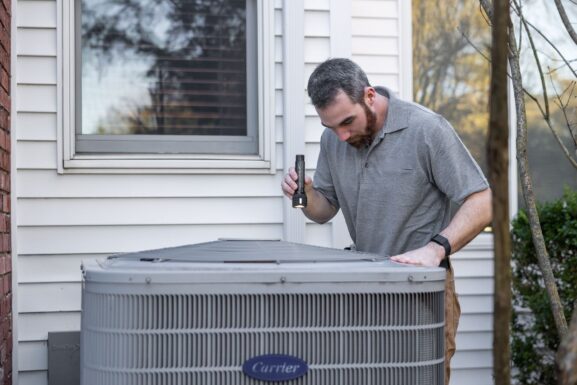
- Plumber, electrician and HVAC technician. You don’t need to hire them yet, just identify one or two you would call. Seasonal checkups are a good, low-pressure way to test a new provider. Our guide to local services to book before the first freeze has a handy list.
- Mechanic. If you drive, find an independent shop before your next oil change or warning light. Look for certified technicians and clear written estimates.
- Cleaners and handyman. Useful for move-in cleaning, assembling furniture and hanging shelves or TVs.
Everyday Life
- Barber or hair salon, dry cleaner, tailor and shoe repair
- A gym or fitness studio, and nearby parks for walks
- The closest grocery store, farmers’ market and hardware store
How to Check a Local Provider Before You Hire
When you don’t know anyone yet, you have to do the vetting yourself. A few minutes of checking can save you hundreds of dollars and a lot of stress.
- Verify licenses. Many trades, including electricians, plumbers and general contractors, need a state or local license. Most states let you look up a license number online for free. Ask for it and check that it is active.
- Ask about insurance. Anyone working in your home should carry liability insurance, and workers’ compensation if they have employees. Ask for a certificate of insurance.
- Read reviews the smart way. Look at recent reviews across more than one site, and pay attention to how the business responds to complaints. A handful of detailed, specific reviews is worth more than dozens of vague five-star ones.
- Get it in writing. For any job bigger than a quick fix, ask for a written estimate that lists the work, materials, price and timeline. Compare at least two or three quotes.
- Ask the right questions. Our list of 8 questions to ask before hiring a local contractor works for most home services, not just big renovations.
Tap Into Local Knowledge
Reviews only tell part of the story. Locals know which shops are honest, which ones are overpriced and who actually picks up the phone on a weekend.
- Ask your neighbors. A quick introduction is also the fastest way to get a trusted recommendation for a plumber or babysitter.
- Browse local listings. On P6D.net you can explore restaurants, services, shops and things to do near you, all in one place, and see what other people in the area are using.
- Join neighborhood groups. Community boards, social media groups and neighborhood apps are full of real-world recommendations and warnings.
- Ask the people you already trust. Your new landlord, real estate agent, coworkers or building manager usually have go-to providers they have used for years.
Red Flags: Who to Avoid
Newcomers are a favorite target for scammers, because they don’t know local prices or who has a good reputation. Be careful with anyone who:
- Asks for full payment, or a large deposit, before any work starts
- Only accepts cash, wire transfers, gift cards or crypto
- Shows up unannounced offering a “special deal” on leftover materials
- Has no license, no business address or no written contract
- Pressures you to decide on the spot or gives a quote that is far below everyone else
- Is a mover who won’t do an in-person or video estimate, or demands more money after loading your belongings
If you are paying someone you don’t know yet, use a method that gives you some protection. Our guide to payment safety for local deals explains the pros and cons of cash, payment apps and escrow.
Weeks 3–4: Settle In and Start Feeling at Home
Once the essentials are handled, use the rest of your first month to actually get to know the place.
- Update your paperwork. Change your address with the postal service, banks and subscriptions. Many states also require you to update your driver’s license and vehicle registration within a set number of days after moving, so check your new state’s rules.
- Register to vote at your new address.
- Get a library card. Local libraries are great for free events, classes and community notices.
- Explore your neighborhood. Try a local café, find your favorite bakery, visit the weekend market and check out community centers and parks. Our guide to planning a day trip using local listings is a fun place to start.
- Support local businesses. Becoming a regular is one of the fastest ways to feel at home, and shop owners are often the best source of recommendations.
Your 30-Day New-City Checklist
- ☐ Utilities and internet set up in your name
- ☐ Locks rekeyed (or landlord asked)
- ☐ Smoke and CO detectors tested
- ☐ Water shutoff and electrical panel located
- ☐ Doctor, dentist, urgent care and pharmacy saved
- ☐ Vet and 24-hour animal hospital saved
- ☐ Plumber, electrician, HVAC and mechanic identified
- ☐ Address updated with bank, post office and subscriptions
- ☐ Driver’s license, registration and voter registration updated
- ☐ Joined at least one neighborhood group
- ☐ Found your new favorite café, market and park
The Bottom Line
A new city doesn’t have to feel like a city of strangers for long. Set up the essentials in week one, line up key providers before you need them, check every new service carefully and lean on local knowledge. In about a month you will have a network of people you trust and a neighborhood that finally feels like home.
Ready to explore? Browse local listings on P6D.net to find trusted services, restaurants and things to do near your new address.