How Community Gardens Are Bringing Neighbors Together
Walk past an empty city lot on a summer evening and you might find something surprising: rows of tomatoes, sunflowers taller than the fence, and neighbors who barely knew each other a year ago comparing notes on squash. Community gardens are quietly becoming some of the most lively outdoor spaces in town—and their influence reaches far beyond the vegetable beds.
More Than a Place to Grow Food
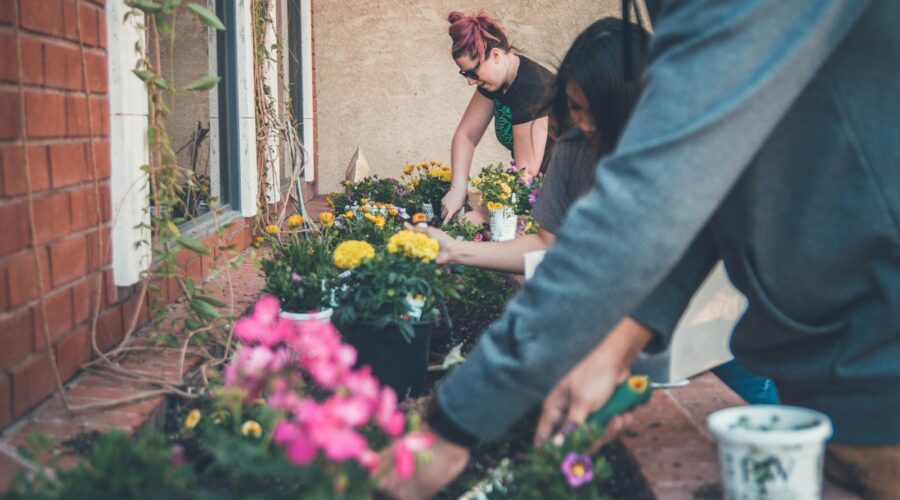
At first glance, a community garden is simply land divided into small plots that local residents tend. But ask any longtime gardener and they’ll tell you the real harvest is connection. Retirees trade seedlings with young families. Renters with no backyard finally get their hands in the soil. Kids learn where food comes from by watching a seed turn into dinner.
In many neighborhoods, the garden has become a kind of outdoor living room: a place where people stop to chat, swap recipes, and look out for one another.
Fresh Food, Close to Home
Community gardens put fresh produce within walking distance for people who might otherwise rely on a long trip to the grocery store. Many gardens donate surplus vegetables to local food pantries, and some host harvest days where anyone can take home what’s in season. A small plot can produce a surprising amount of greens, herbs, and tomatoes over a single summer.
Good for Body and Mind
Gardening gets people outside, moving, and soaking up daylight. Digging, planting, and weeding are gentle forms of exercise, and many gardeners describe their weekly visits as a calming break from screens and schedules. For newcomers to an area, a garden plot is also one of the easiest ways to meet neighbors and feel at home.
Greener Neighborhoods
Every garden turns a patch of pavement or unused land into green space. Plants help cool the surrounding area on hot days, absorb rainwater, and attract bees and butterflies that support local ecosystems. Many gardens also run compost programs, turning kitchen scraps into rich soil instead of trash.
A Growing Local Economy
Community gardens also spark small, local exchanges. Gardeners share or sell extra seedlings in spring, hand down tools they no longer need, and offer homemade jams or pickles at neighborhood events. Local hardware stores, nurseries, and handymen often become part of the garden’s story too—building raised beds, supplying soil, or repairing fences.
Seasons of Togetherness
Even as fall arrives, the garden stays busy. Gardeners plant garlic and cover crops, put beds to rest under mulch, and start dreaming about next year’s layout over seed catalogs. Many gardens host end-of-season potlucks where neighbors share dishes made from the year’s harvest—a fitting celebration of a space that grows community as much as it grows food.
Bring the Garden Spirit Home
Whether you’re planting your first pot of herbs or expanding a backyard bed, your neighbors may have exactly what you need. Explore local listings on P6D.net for gardening tools, planters, outdoor furniture, and local services that help your green space grow.