
Hiking Trails and Outdoor Gear: A Local’s Guide
Getting into hiking doesn’t require an expensive gear closet or a mountaineering background, just the right basics and a realistic sense of which local trails actually match your current fitness and experience level. Here’s a complete local’s guide to getting started, or leveling up, without overspending or overreaching.
Understanding Trail Difficulty Ratings
Most local trail systems rate hikes as easy, moderate, or difficult based on distance, elevation gain, and terrain. As a rough guide, easy trails typically involve under 3 miles with minimal elevation change, moderate trails run 3-6 miles with noticeable elevation gain, and difficult trails exceed 6 miles or involve steep, sustained climbs. Always check current trail condition reports before heading out, ratings can shift seasonally due to washouts, ice, or overgrowth.
The Essential Gear for Beginners
- Footwear: A proper pair of hiking shoes or boots with ankle support and solid tread matters more than almost any other gear decision. Ill-fitting footwear is the single most common cause of early hiking injuries and blisters.
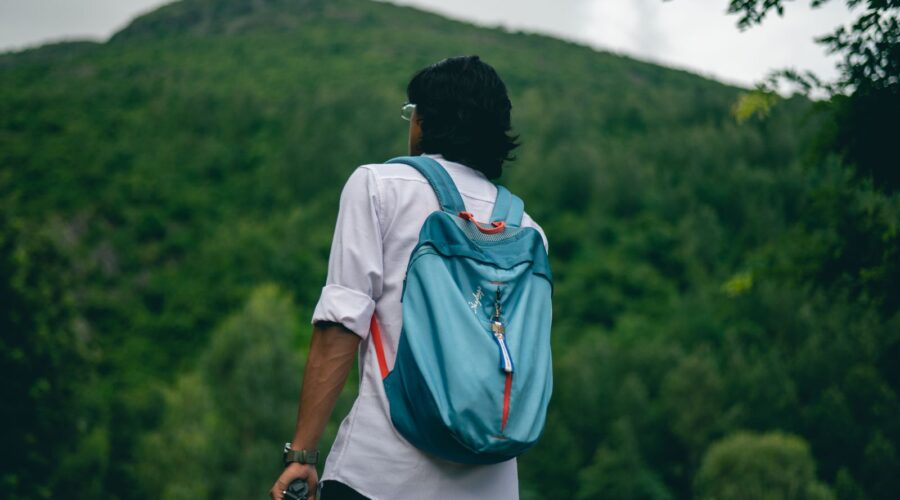
- A daypack (15-25 liters): Large enough for water, snacks, a layer, and a first aid kit, without being bulky for short-to-moderate hikes.
- Water: A general rule is about half a liter per hour of moderate activity, more in hot weather.
- Layers: A moisture-wicking base layer and a packable rain shell handle most weather surprises without requiring a full expedition wardrobe.
- Navigation: A downloaded offline trail map is essential, since cell service is unreliable on most trail systems.
What You Don’t Need When Starting Out
New hikers often over-invest in gear before they know what they’ll actually use regularly, trekking poles, specialized hydration packs, and high-end insulated jackets can all wait until you’ve logged a season of hikes and know your actual preferences and needs.
Finding Trails That Match Your Level
Local park and recreation department websites typically maintain the most accurate, regularly updated trail listings, including closures and condition reports that generic hiking apps sometimes miss. Community hiking groups are also a valuable resource, both for trail recommendations and for finding hiking partners if you’d rather not go solo as a beginner.
Buying Gear Without Overspending
Secondhand outdoor gear, sold through local marketplace listings or specialty consignment shops, is a genuinely smart way to get quality equipment at a fraction of retail price, particularly for items like backpacks and trekking poles that see relatively light wear even after regular use. Reserve new purchases for items where fit and hygiene matter most, footwear and base layers, and buy secondhand more freely for hard goods.
A Simple Beginner Progression Plan
- Weeks 1-2: Start with 1-2 easy, well-marked local trails under 3 miles to build confidence and test your gear.
- Weeks 3-6: Move to moderate trails in the 4-6 mile range, paying attention to how your footwear and pack handle longer distances.
- Month 2 onward: Add elevation-focused hikes and consider joining a local group hike to learn trail etiquette and pacing from more experienced hikers.
Trail Etiquette Worth Knowing Early
Uphill hikers generally have the right of way, hikers yield to horses, and everyone yields to trail maintenance crews. Sticking to marked trails (rather than cutting switchbacks) protects both trail integrity and surrounding vegetation, a small habit that matters more than most beginners realize.
Final Thoughts
Hiking is one of the most accessible outdoor activities precisely because it scales with almost no cost floor, a decent pair of shoes and a local trail map are genuinely enough to start. Build gear and mileage gradually, lean on local resources for accurate trail information, and let your actual experience guide future gear purchases rather than buying everything upfront.
Related reading: You might also find it helpful to check out the Bear Mountain hike near NYC and our local travel guide to weekend getaways.