Checklist: What to Inspect Before Renting a Storage Unit
Storage units all look roughly the same in photos, a clean hallway, a rolling door, a friendly rate. What actually determines whether your belongings stay safe and dry for the next year has almost nothing to do with the marketing photos. Walk through this checklist in person before signing anything.
☐ Climate Control, If You Need It
Not all “climate controlled” units are created equal, some maintain a narrow temperature range, others simply keep the unit from freezing or overheating without real humidity control. If you’re storing electronics, wood furniture, photographs, or anything sensitive to moisture, ask specifically about both temperature range and humidity control, not just the general “climate controlled” label.
☐ Signs of Pests or Water Damage
Look at the floor and corners of any unit you’re shown for water stains, mold smell, or droppings. Ask directly whether the facility has had any pest control incidents in nearby units recently, a reasonable question that a trustworthy facility manager should answer honestly.
☐ Security Features That Actually Matter
- Individual unit alarms, not just a facility-wide system
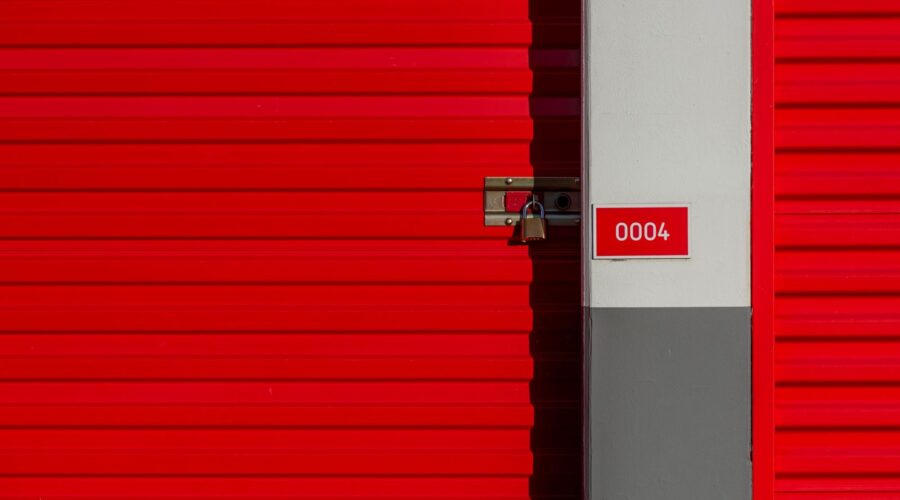
- Working security cameras covering the actual unit rows, not just the entrance
- A gated entry requiring a unique access code per customer
- Adequate lighting throughout, including in outdoor or drive-up unit rows
☐ The Actual Access Hours
Confirm whether access is truly 24/7 or restricted to specific hours, this matters enormously if you’re storing business inventory or need occasional after-hours access. Some facilities advertise flexible access but restrict specific unit sections differently.
☐ Insurance Requirements and Coverage Gaps
Most facilities require proof of insurance, either through your own renters/homeowners policy or a facility-offered add-on. Check whether your existing policy actually covers off-site storage, many renters assume it does and later discover their policy excludes it entirely.
☐ The Real Contract Terms, Not Just the Advertised Rate
Many storage facilities advertise a low introductory rate that increases substantially after a few months. Ask directly for the rate schedule beyond the first period, and read the contract for any auto-renewal clauses, late fee structures, or lien policies for unpaid balances.
☐ Unit Size, Measured Realistically
Facility size charts are often optimistic about how much actually fits. If possible, bring rough measurements of your largest items and confirm with staff (or measure yourself) that they’ll genuinely fit with reasonable walking space, not just theoretically stacked to the ceiling.
☐ Cleanliness and General Maintenance
A facility with clean common areas, functioning lighting, and well-maintained doors is generally a signal of overall management quality. Neglected common areas often correlate with neglected security systems and maintenance response times as well.
☐ Ask About the Move-Out Process
Confirm exactly how much notice is required before move-out and whether partial-month refunds are offered, policies vary significantly and are easy to overlook until you’re trying to close out the unit.
Final Thoughts
A storage unit is only as good as the details that don’t show up in the promotional photos, real climate control, genuine security, and contract terms that don’t quietly increase after the first few months. Walking through this checklist in person before signing takes twenty extra minutes and can save significant money and stress over the life of the rental.
Related reading: You might also find it helpful to check out local services to book before winter and finding trusted local services.