Payment Safety 101: Cash, Apps, and Escrow for Local Deals
Most problems in local buying and selling happen at the moment money changes hands. A great deal can turn into a costly mistake if the payment method gives one side no protection. The good news is that a few simple habits make local transactions far safer for both buyers and sellers.
Cash: Simple, but Handle With Care
Cash remains one of the most common ways to pay for local deals, and for smaller purchases it works well. It settles instantly and cannot be reversed. The risks are counterfeit bills and carrying large amounts to a meeting. For bigger transactions, consider meeting at a bank where bills can be checked and deposited on the spot. Count the money in a public place, and avoid flashing large sums before the meeting.
Payment Apps: Fast, but Know the Limits
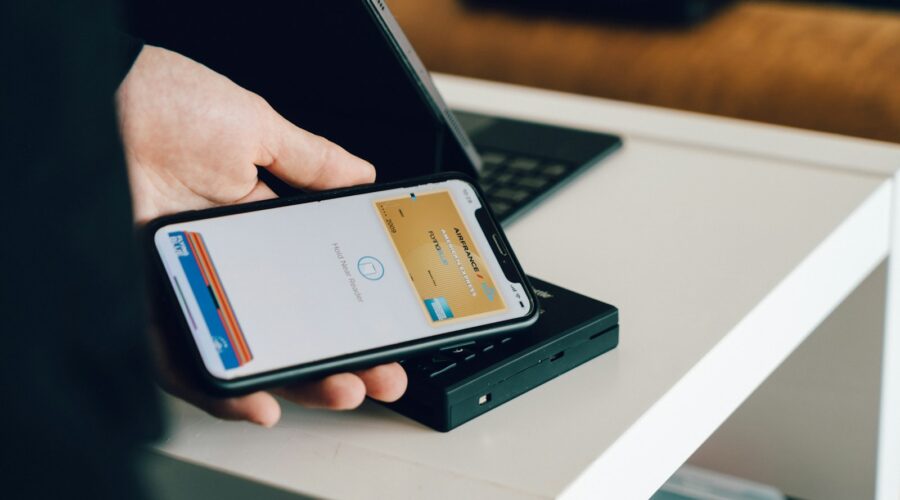
Peer-to-peer payment apps are convenient, but many were designed for paying friends and family, not strangers. Once money is sent, it is often difficult or impossible to get back. Keep these points in mind:
- As a buyer, only send money after you have seen and checked the item in person.
- As a seller, confirm the payment has fully arrived in your account before handing over the item, not just a screenshot of it.
- Double-check the recipient’s name and details before you send anything.
- Be wary of anyone who asks you to use a “goods and services” setting incorrectly or switch to an app you do not use.
Checks and Money Orders: Higher Risk for Sellers
Personal checks can bounce, and fake cashier’s checks and money orders are a classic scam. A common version involves a buyer sending a check for more than the asking price and asking for the difference back. When the check later turns out to be fake, the seller loses both the item and the refund. If you accept a cashier’s check, go with the buyer to the issuing bank to verify it.
Escrow Services: Useful for High-Value Deals
For expensive items like vehicles, equipment, or jewelry, a reputable escrow service can hold the buyer’s payment until both sides confirm the deal is complete. Only use well-known escrow providers that you find yourself. Scammers sometimes suggest their own fake “escrow” websites, so never follow a link sent by the other party.
Payment Methods to Avoid
Never pay with or accept gift cards, wire transfers to strangers, or cryptocurrency for a local deal. These methods are popular with scammers precisely because they are fast and nearly impossible to trace or reverse. Any request to use them should be treated as a serious red flag. Our article on ‘too good to be true’ online deals covers more of these warning signs.
Pair Safe Payment With Safe Meetings
Payment safety works best alongside a safe meeting plan. Meet in a busy public place during daylight, bring a friend for larger purchases, and inspect the item before any money moves. Many police stations offer designated safe exchange zones for exactly this purpose. You can find more tips in our guide to meeting a buyer or seller safely.
A Quick Checklist
- Inspect before you pay, and confirm payment before you hand over.
- Use cash or a trusted payment app for small deals.
- Use a bank or reputable escrow service for large ones.
- Refuse gift cards, wires, crypto, and overpayment schemes.
- Keep all messages and receipts until the deal is fully done.
Final Thoughts
Safe payment is less about any single method and more about timing and verification. When both sides can see the item and the money at the same moment, the risk of fraud drops dramatically. A few extra minutes of care keeps local buying and selling what it should be, convenient, fair, and trustworthy.
Related reading: You might also find it helpful to check out how to avoid marketplace scams, the truth about ‘too good to be true’ deals, and best practices for meeting safely.