Seasonal Selling: What Sells Best Locally in Fall and Winter
Local buying habits shift with the seasons, and sellers who pay attention to that rhythm consistently sell faster and for better prices. As the weather cools and the holidays approach, demand rises sharply for some categories and quietly fades for others. Knowing which is which helps you decide what to list now and what to hold until spring.
Why Timing Matters So Much
When demand is high, buyers compete for the same few listings, and you can price closer to full value. When demand is low, the same item can sit for weeks while you keep lowering the price. Listing in season is one of the simplest ways to improve results without changing anything about the item itself.
What Sells Best in Fall
- Outdoor heating and fire pits. Patio heaters, fire pits, and firewood racks peak as evenings get cooler.
- Furniture and home office gear. Students settling in and people spending more time indoors drive steady interest in desks, chairs, and shelving.
- Kids’ sports equipment. Fall leagues and growing children create a reliable market for cleats, pads, and hockey or basketball gear.
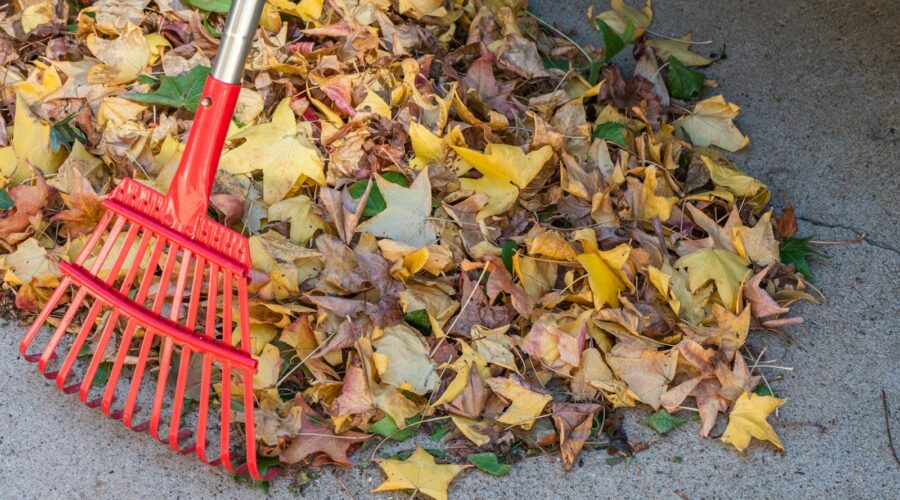
- Rakes, leaf blowers, and gutter tools. Yard cleanup season makes these easy sales in October and November.
What Sells Best in Winter
- Snow gear. Snow blowers, shovels, skis, snowboards, and winter boots move quickly, especially right before or after the first big storm.
- Holiday decor and gifts. Lights, artificial trees, toys, and gently used electronics see strong demand from early November through mid-December.
- Fitness equipment. Treadmills, bikes, and weight sets spike in late December and January as people set new goals.
- Space heaters and humidifiers. Indoor comfort items sell well throughout the cold months.
What to Hold Until Spring
Bicycles, lawn mowers, patio furniture, kayaks, and pool supplies usually fetch noticeably less in late fall and winter. If you have the storage space, keeping these items until March or April often means a faster sale and a better price. If you need the space now, price them realistically and mention that they will be ready for the season.
Timing Your Listings
List seasonal items a few weeks before demand peaks, not after. Snow blowers listed in early November catch planners, while those listed after a storm catch urgent buyers willing to pay more. Holiday items should be up by early November, since late-December listings miss most of the window. For more on setting the right number, see our guide to pricing used items for maximum sales.
Make Seasonal Listings Stand Out
Mention the season directly in your title, for example “Snow Blower, Serviced and Ready for Winter.” Photograph items in good daylight, which is scarcer this time of year, so plan shoots around midday. Include details buyers care about right now, like whether a heater has safety shutoff or whether a snow blower was tuned up recently.
Turn a Cleanup Into a Sale
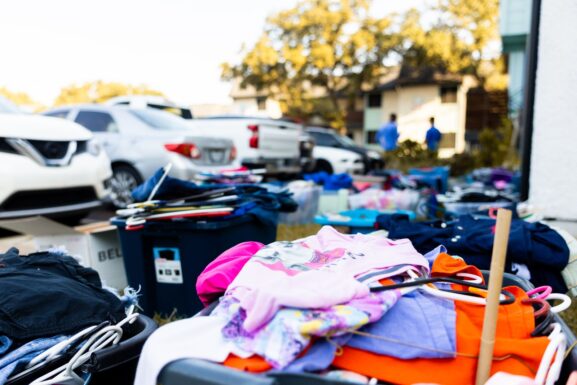
Fall is a natural time to clear out the garage before winter, and many households end up with a pile of items worth listing. Rather than a single yard sale in cold weather, consider listing the best pieces online. Our article on turning your garage sale into an online goldmine explains how to get the most from that process.
Final Thoughts
Seasonal selling is not complicated. List what people need right now, hold what they will need later, and get your listings up a little earlier than everyone else. With a bit of planning, the colder months can be one of the most productive times of year to sell locally.
Related reading: You might also find it helpful to check out pricing used items for maximum sales, how to turn your garage sale into an online goldmine, and local services to book before winter hits.